Best Body Wash For Skin
Best Body Wash For Skin
Everyone wants that impossibly smooth, glowing skin. You know the kind—makeup glides on without clinging to a single dry patch or bit of peach fuzz. That’s the promise of professional exfoliation, but the options can get confusing fast.
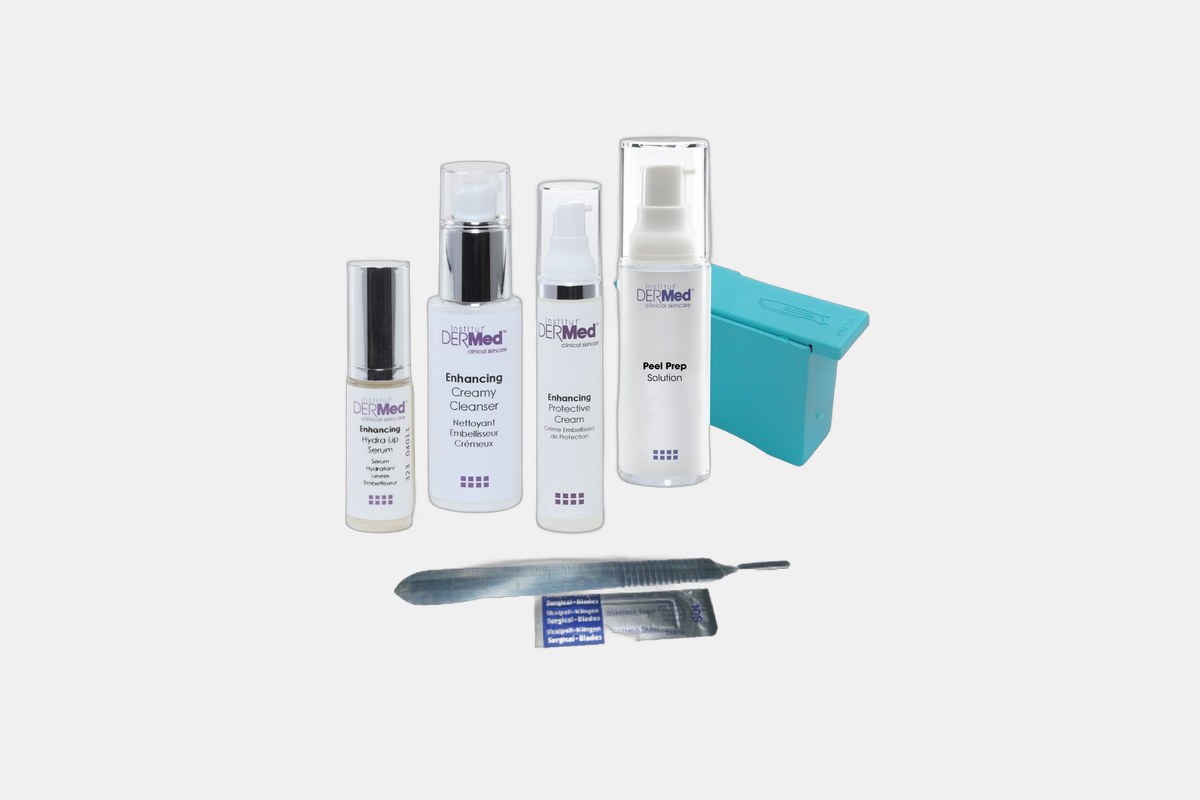
Dermaplaning has been all over social media for a few years, but is it actually the best choice? It’s basically shaving your face with a super-sharp, sterile blade to remove dead skin and vellus hair. It sounds intense, but it’s surprisingly gentle.
Let’s break down the real pros and cons of dermaplaning, and see how it stacks up against other popular treatments like microdermabrasion and chemical peels in 2026. Because nobody has time (or money) to waste on the wrong facial.
Dermaplaning is a physical exfoliation treatment. An aesthetician uses a sterile, surgical-grade scalpel to gently scrape the surface of your skin. This whisks away dead skin cells and all that soft, fine vellus hair we call peach fuzz.
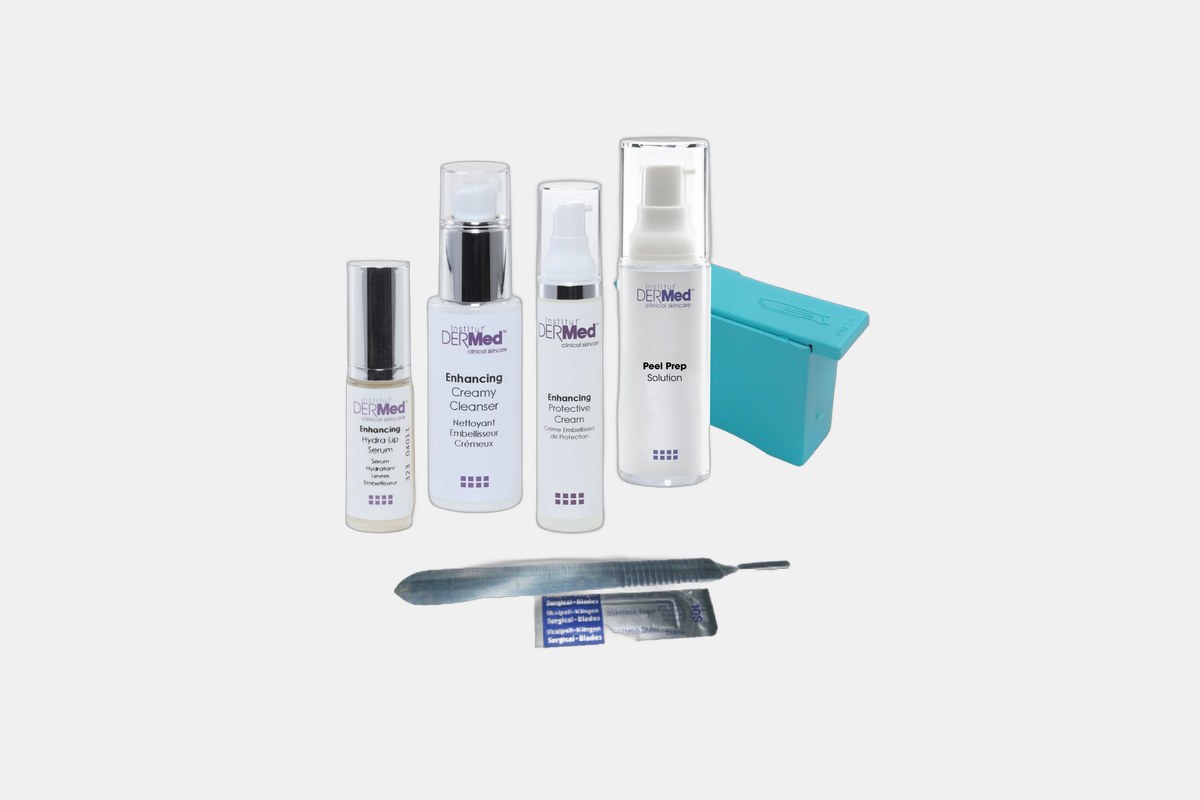
The biggest benefit is the instant result. You walk out with brighter, incredibly smooth skin. Your skincare products absorb better and foundation looks flawless. There’s zero downtime, making it a perfect pre-event treatment. It’s also chemical-free, so it’s a great option during pregnancy.
But the results are temporary. You’ll need to go back every 3-4 weeks to maintain it. It’s also a no-go if you have active acne or rosacea, as the blade can irritate your skin and spread bacteria. A session typically costs between $75 and $250.
Dermaplaning is great, but it’s not the only way to get smooth skin. Here’s how it compares to the other big players.
Microdermabrasion is another physical exfoliation method, but it works differently. Instead of a blade, it uses a diamond-tipped wand or a spray of fine crystals to essentially sandblast away the top layer of dead skin. It’s a fantastic way to deal with dullness, uneven texture, and clogged pores.
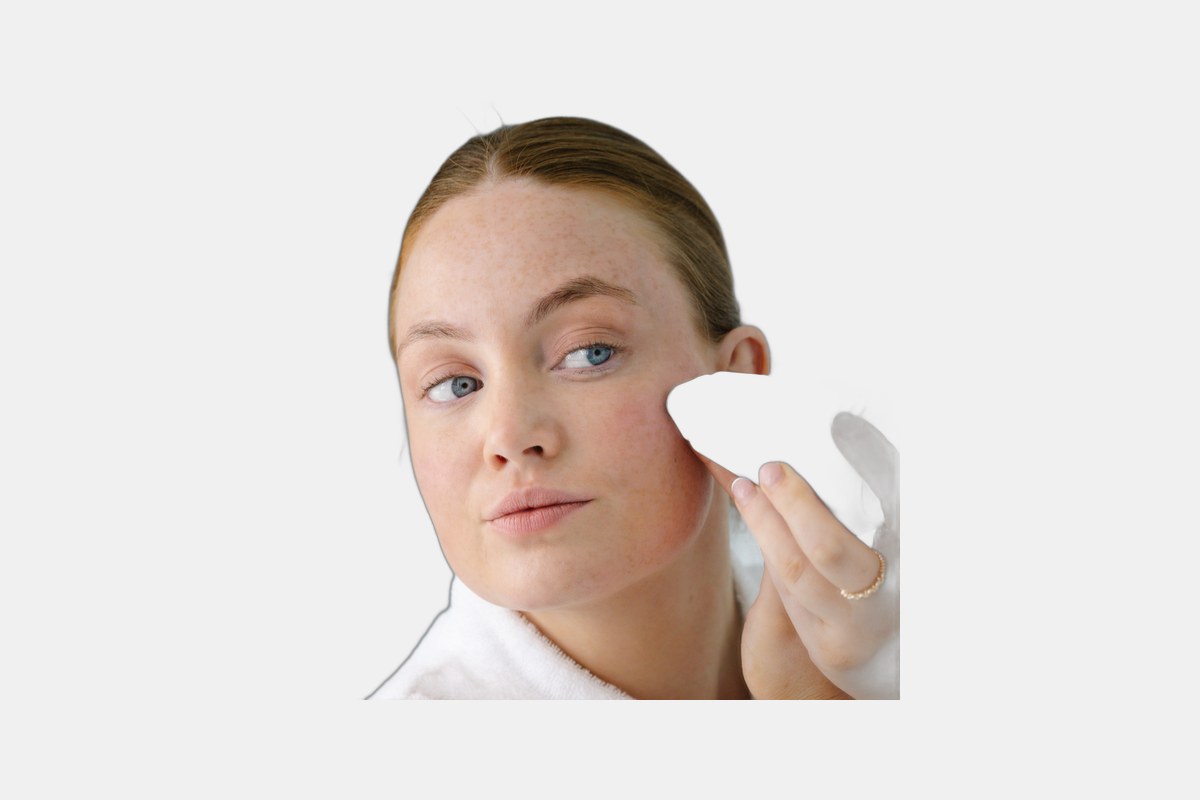
The key difference? Microdermabrasion does nothing for peach fuzz. If hair removal is a big reason you’re considering dermaplaning, this isn’t your answer. It can also leave your skin a little red for a few hours. The price is similar, usually running $100 to $250.
This is a totally different approach. A chemical peel uses acids—like glycolic, salicylic, or TCA—to dissolve the “glue” holding dead skin cells together. This prompts your skin to shed its dull outer layer and reveal fresh, new skin underneath.

Peels go deeper than dermaplaning and are much better for targeting specific problems like sun damage, acne scars, and fine lines. The downside is the downtime. You can expect at least a few days of redness and visible peeling. Dermaplaning lets you walk out and go about your day immediately.
Peels offer more corrective, longer-lasting results, but they come with a higher risk of irritation and a wider price range, from $100 for a light peel to over $600 for a medium-depth one.
This really comes down to your primary skin goal and how much downtime you can tolerate.
If you’re looking for an instant glow, want to get rid of peach fuzz, and need zero recovery time, Dermaplaning is your move. It’s the perfect pick-me-up before a wedding or big event.
If your main issues are clogged pores, rough texture, or general dullness—and you couldn’t care less about peach fuzz—then Microdermabrasion is a fantastic and reliable choice. It’s a great maintenance treatment for keeping skin clear and bright.
If you’re trying to correct deeper issues like acne scars, stubborn pigmentation, or fine lines and you’re willing to hide out for a few days while you peel, the Chemical Peel is the heavy hitter. It’ll give you more dramatic and lasting change than the other two options ever could.
Best Body Wash For Skin
How To Get Rid of Cellulite: 13 Tips from Dermatologists
13 Best Soaps
Tattoo Aftercare 101: How to Take Care of Your New Ink
Leave a Reply