What Is Balayage Hair Color: Your Guide to Highlight Trends
What Is Balayage Hair Color: Your Guide to Highlight Trends
Let’s be real. You probably haven’t cleaned your hair brush since… ever? I see you. For years, I just pulled out the big clumps of hair and called it a day, until I noticed my “clean” hair was getting greasy, like, immediately.
Turns out, that brush is a total trap for dust, dead skin cells, oil, and old product buildup. Every time you brush, you’re just dragging all that gunk right back through your strands. Gross, right? So I went on a mission to figure out exactly how to sanitize a hair brush and keep it from ruining my good hair days.
Before you get scrubbing, you need the right tool for the job. You can’t get all that lint and stuck hair out with just your fingers. Trust me, I’ve tried. These are the little gadgets I’m obsessed with for getting my brushes sparkling clean.
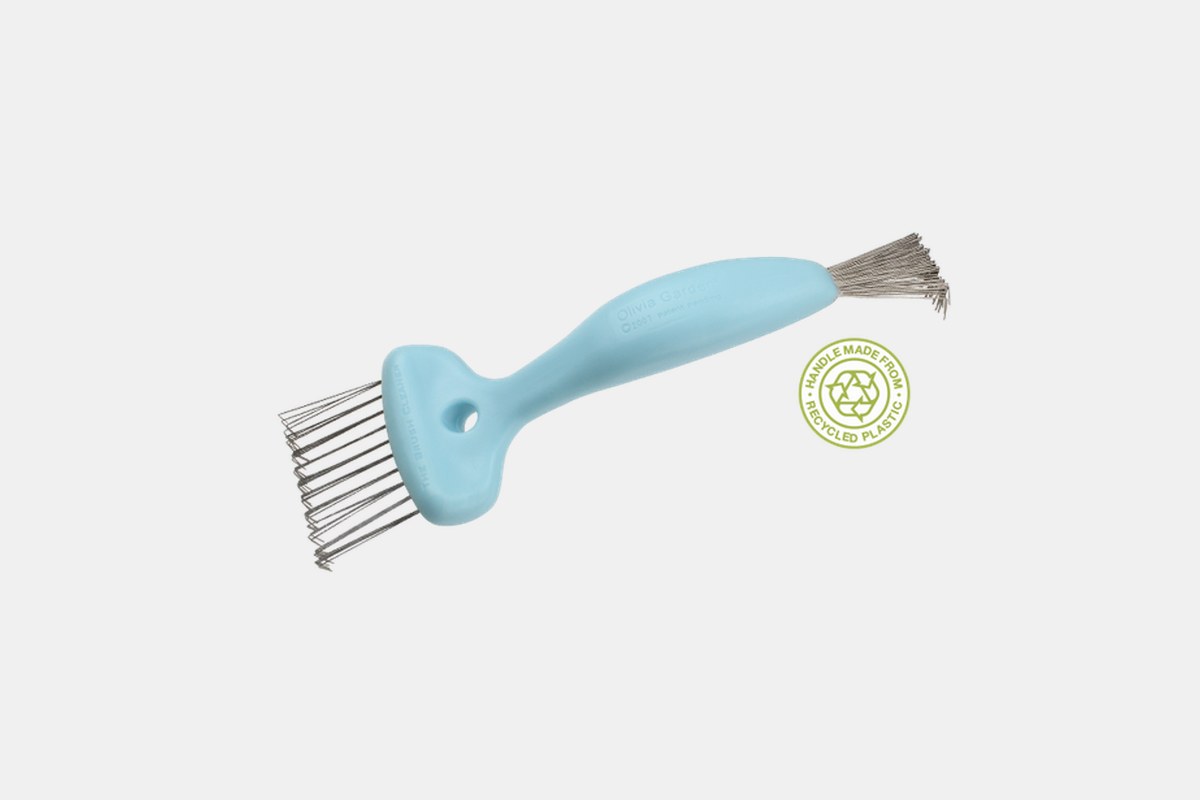
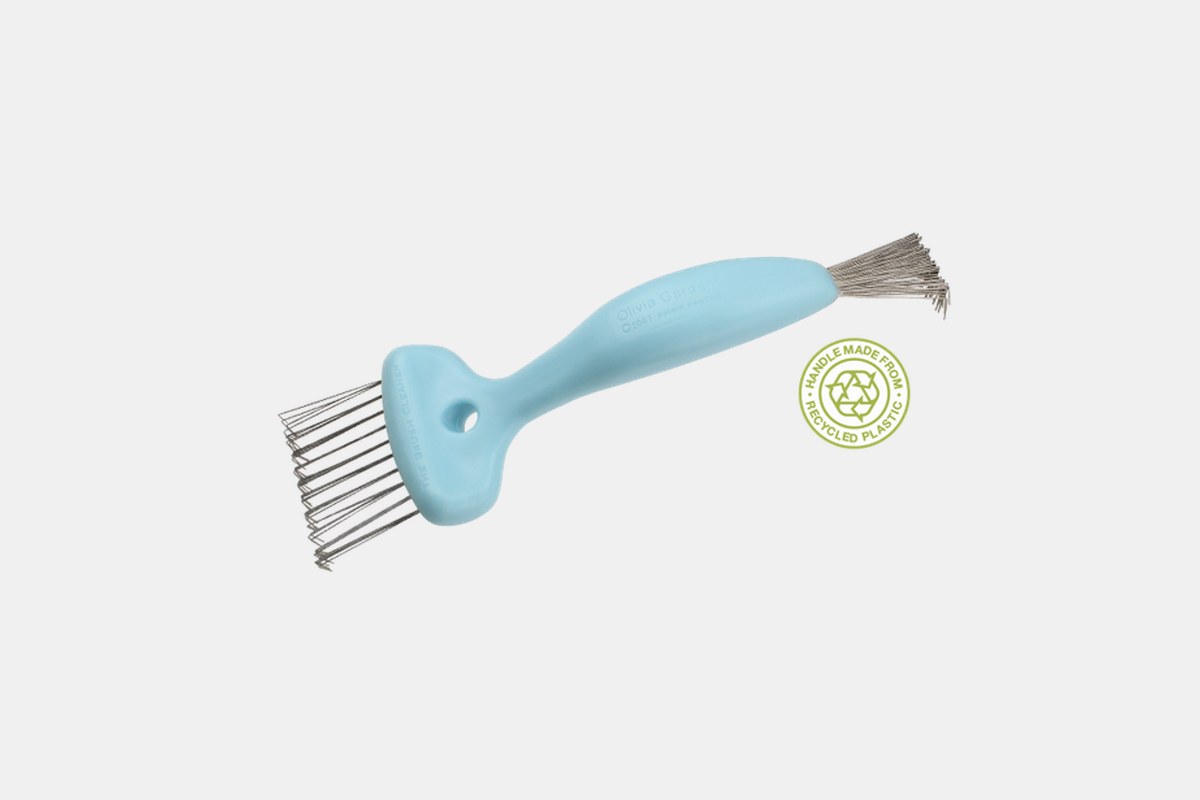
At just $12, this little guy is my go-to for daily maintenance. It lives on my vanity, and I use it to quickly de-fuzz my paddle brush every couple of days. The metal rake side is amazing for yanking out tangled hair, and the bristly side gets all the tiny bits of dust and lint left behind.
It’s made from recycled plastic, which we love to see, and the handle is surprisingly comfy to hold. It makes a tedious chore feel weirdly satisfying and takes literally 30 seconds. Plus, keeping your brush clear of hair helps it work so much better.
The Downside: If you have a super dense boar bristle brush, the metal rake can sometimes struggle to get the *really* fine hairs out from the base.
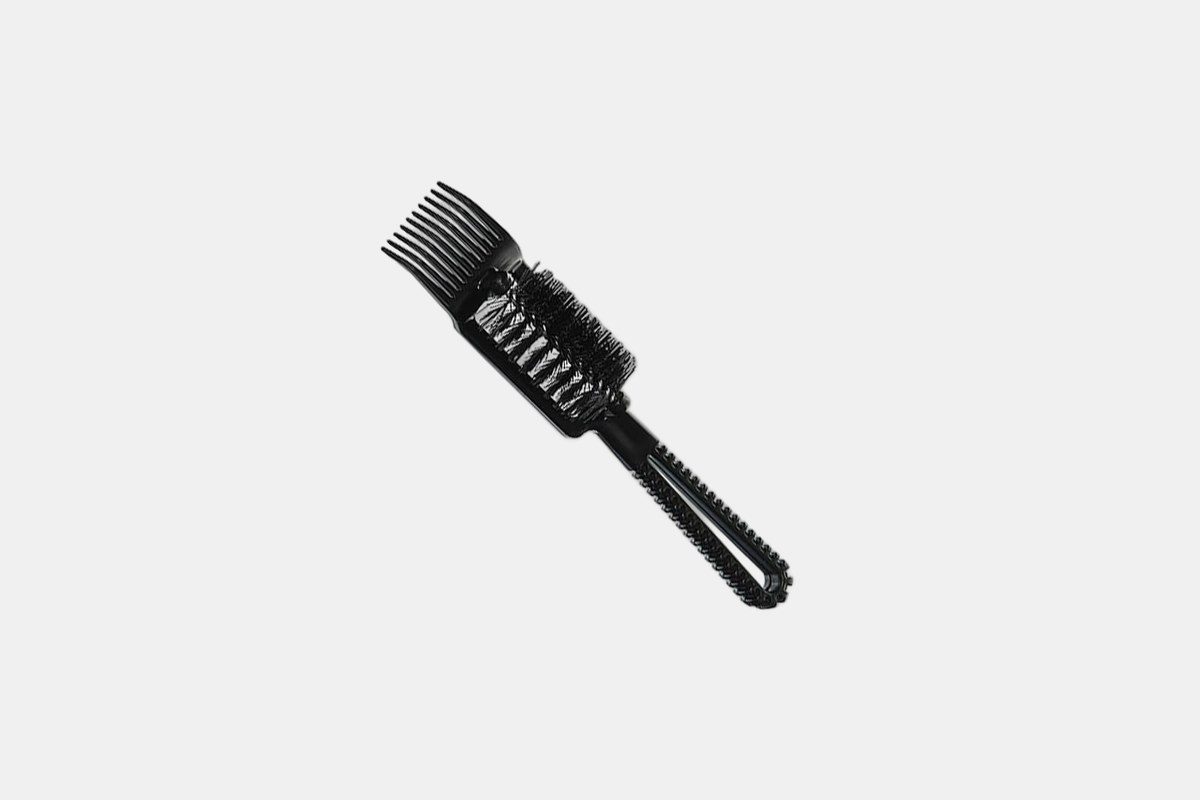
Okay, for $22, this is the master tool for a serious deep clean. If you’re a stylist or just someone who uses a ton of dry shampoo and texturizing spray (hi, it’s me), this thing will change your life. It feels super sturdy and professional in your hand.
It has two sides: one with wide prongs to get the big stuff, and a denser side to really scrub the base of the bristles. I use this for my big weekly brush-washing ritual. It cuts through caked-on product buildup like nothing else.
The Downside: Some reviewers mentioned that after months of really heavy use, the scrubbing bristles can start to bend a bit.
For only $4, you literally have no excuse not to own this. It’s small, simple, and gets the job done. This is the perfect entry-level tool if you just want to see what the hype is about without committing.
It has different edges to tackle both hair and lint, and it works on combs, too. It’s a great little tool to throw in your travel bag to keep your brushes fresh on the go. Honestly, for the price of a coffee, it’s a total steal.
The Downside: Because it’s smaller and less heavy-duty, it doesn’t do as great a job on really intense, sticky product buildup.
Got your tool? Good. Now it’s time to actually wash the thing. I rotate between these three methods depending on how much time I have and how gross my brushes have gotten. Do the deep clean at least twice a month!
This is your daily or weekly touch-up. First, use the rake side of your brush cleaner to pull all the loose hair from the bristles. Start at the top and pull down towards the ends. Once the hair is gone, flip the tool over and use the bristly side to scrub away any visible dust bunnies or lint clinging to the base. That’s it! It keeps major buildup from happening.
Start by doing a dry clean to remove all the hair. Then, fill your sink or a bowl with warm water and add a few drops of a gentle clarifying shampoo. Swish your plastic or ceramic brushes around in the water and let them soak for about 10-15 minutes. After they’ve soaked, use your cleaning tool or an old toothbrush to gently scrub the base and bristles. Rinse thoroughly with clean water and lay them face-down on a towel to dry completely.
Never, ever submerge a wooden brush in water! It can crack the wood and ruin the cushion. Instead, do a thorough dry clean first. Then, dip just the bristles of your cleaning tool (or a toothbrush) into your soapy water mixture, tap off the excess, and gently scrub the brush’s bristles and base. Wipe it all down with a damp cloth, then lay it bristle-side down on a towel to air dry.
Cleaning your hair brushes is one of those tiny chores that makes a massive difference. Think about it—you wouldn’t use a dirty makeup brush on your face, so why use a dirty hair brush on your scalp?
Taking five minutes every week to properly sanitize your hair brush will lead to healthier-feeling hair, a less irritated scalp, and even make your styles last longer. Your expensive shampoos and hair masks will work so much better when they aren’t fighting against a brush full of gunk.
What Is Balayage Hair Color: Your Guide to Highlight Trends
10 Best Leather Conditioners
10 Best Mild Shampoos
23 Best Clarifying Shampoos
Leave a Reply