Top Chinese Zodiac Signs
Top Chinese Zodiac Signs
So, you’ve got a tarot deck. Maybe it was a gift, or maybe you saw one and just… felt a pull. Now it’s sitting on your shelf, looking a little mysterious and maybe even a bit intimidating. Don’t worry — it’s way easier than it looks.
Learning how to read tarot cards isn’t about memorizing 78 different meanings. It’s about learning to trust your intuition and using the cards as a tool to chat with your own inner wisdom. Think of it less like fortune-telling and more like a mirror for what’s already going on inside you.
Let’s walk through it together. I promise, you can totally do this.
First things first, you need a deck you actually like looking at. There are thousands out there, from classic and artsy to modern and minimalist. The most common one for beginners is the Rider-Waite deck, and most guidebooks use its imagery, which makes learning super straightforward.
But honestly? The “right” deck is the one you feel drawn to. If a deck with cats in space is the one that makes you want to practice, then that’s your deck. The connection is what matters most.
Don’t just jump into a complex ten-card spread. Just hang out with your cards for a bit. Flip through them one by one. What images catch your eye? Which ones give you a weird feeling? There are no wrong answers.
A great way to start is by pulling one card each morning. Just ask, “What energy should I focus on today?” Look at the picture, see what you notice, and then maybe peek at the meaning in your guidebook. This daily practice builds your confidence and your personal connection to each card’s meaning.
This is the trick nobody tells you at first: the quality of your reading depends on the quality of your question. Tarot doesn’t love simple yes/no questions. It prefers open-ended ones that give it room to tell a story.
Instead of asking “Will I get the job?” try something like, “What can I do to move my career forward?” or “What’s the lesson for me in this situation?” This shifts the power back to you, which is what it’s all about.
There’s no secret, mystical way to shuffle. Just shuffle them however you feel comfortable — like you’re shuffling a regular deck of playing cards is totally fine. The important part is your intention.
As you shuffle, think about your question. Focus on it. When it feels “right,” stop shuffling. You can cut the deck into piles and re-stack them, or just pull cards from the top. Again, trust your gut.
You don’t need that massive Celtic Cross spread you see in movies. Start small. A one-card pull is perfect for daily guidance. The most popular beginner spread is the three-card spread.
Lay three cards out in a row. The first card can represent the past, the second can be the present, and the third can show you a potential future or outcome. It gives you a simple, clear narrative to work with.
Now, look at the cards you pulled. Before you even touch a guidebook, just look at the pictures. What’s happening? What’s the vibe? Is the person in the card looking happy, sad, or determined?
Notice the symbols, the colors, and the way the cards interact. Does the story flow? Maybe the person in the first card is walking towards something that appears in the second card. Connect the dots and build a narrative. The guidebook is a great tool, but your own intuition is the real magic here.
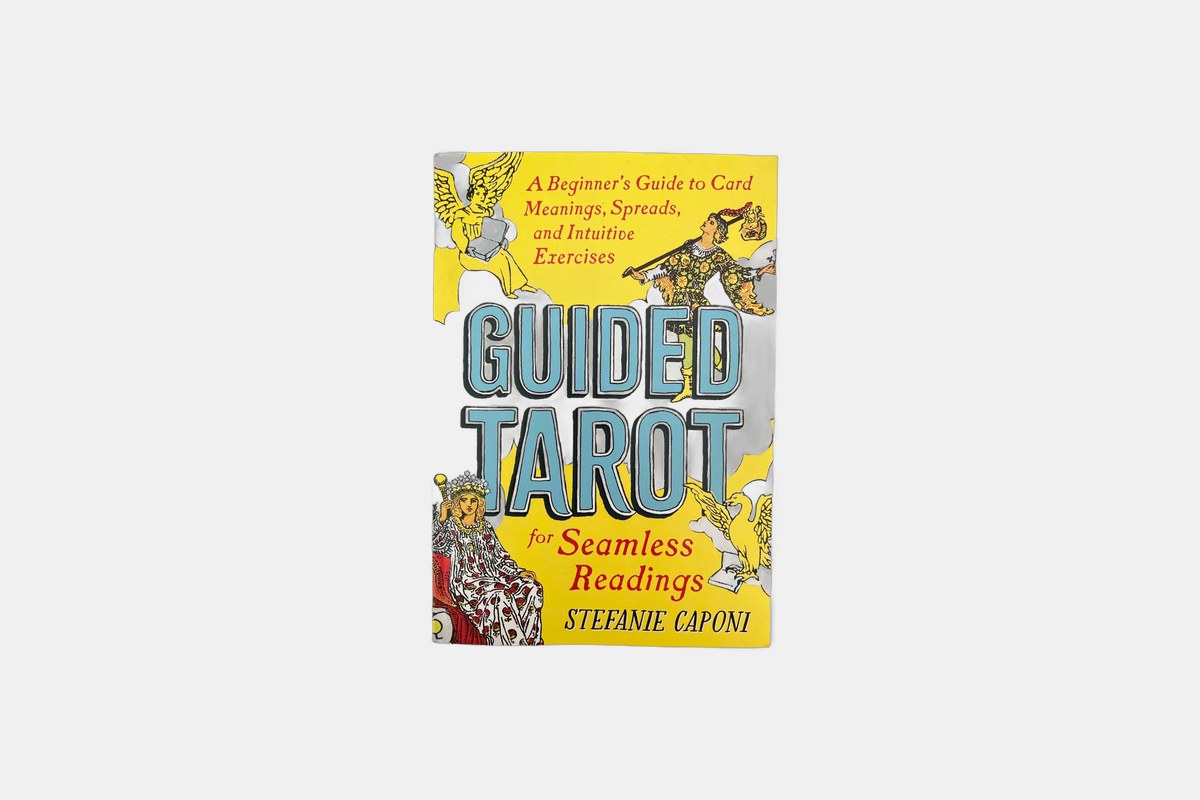
Having a good guide can make all the difference. While your intuition is key, a solid book or deck can give you the foundation you need to feel confident. Here are a few of the best ones to get you started.
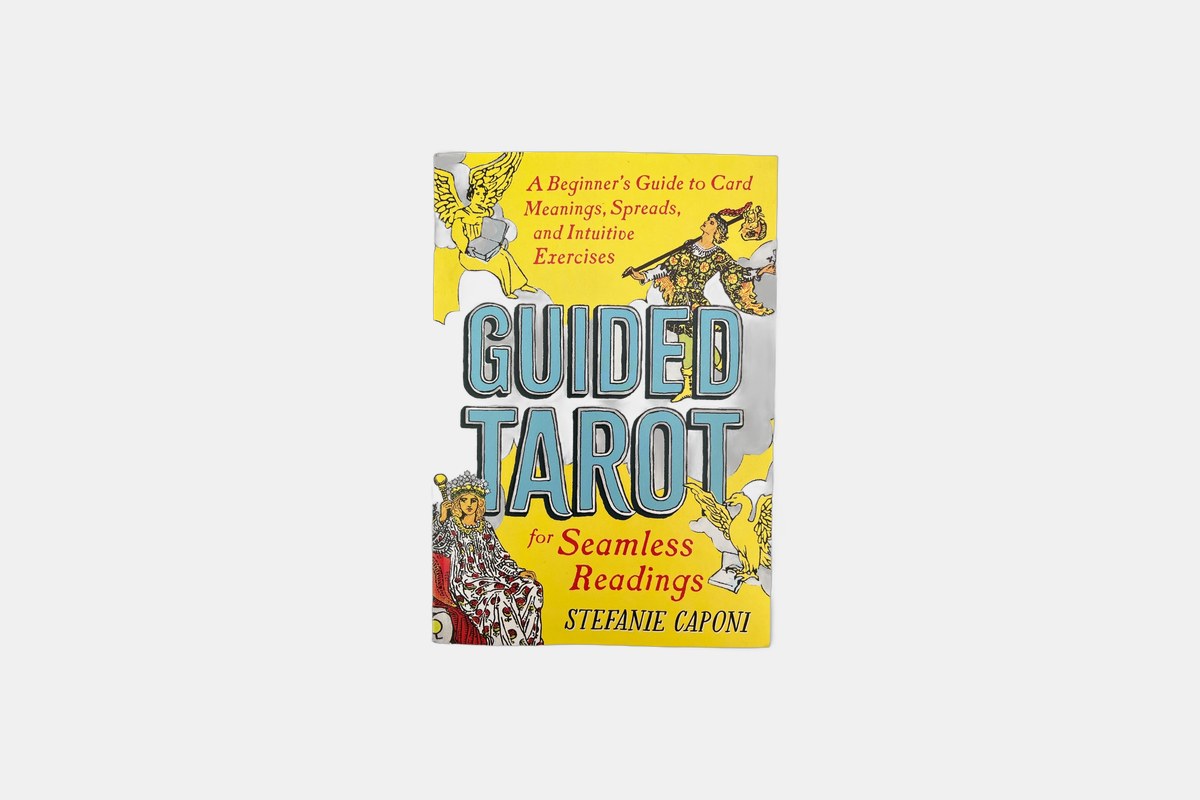
This book costs $19.99 and is perfect if you’re a complete beginner who wants a helping hand. It’s designed to build your intuitive skills from the ground up with simple exercises that really work.
What I love about this one is how practical it is. It’s not just a list of meanings; it gives you spreads and journaling prompts to help you connect with the cards on a personal level. It’s the kind of book you’ll keep grabbing during readings to clarify things.
The Downside: If you’ve already been reading tarot for a little while, you might find the content a bit too introductory for your needs.
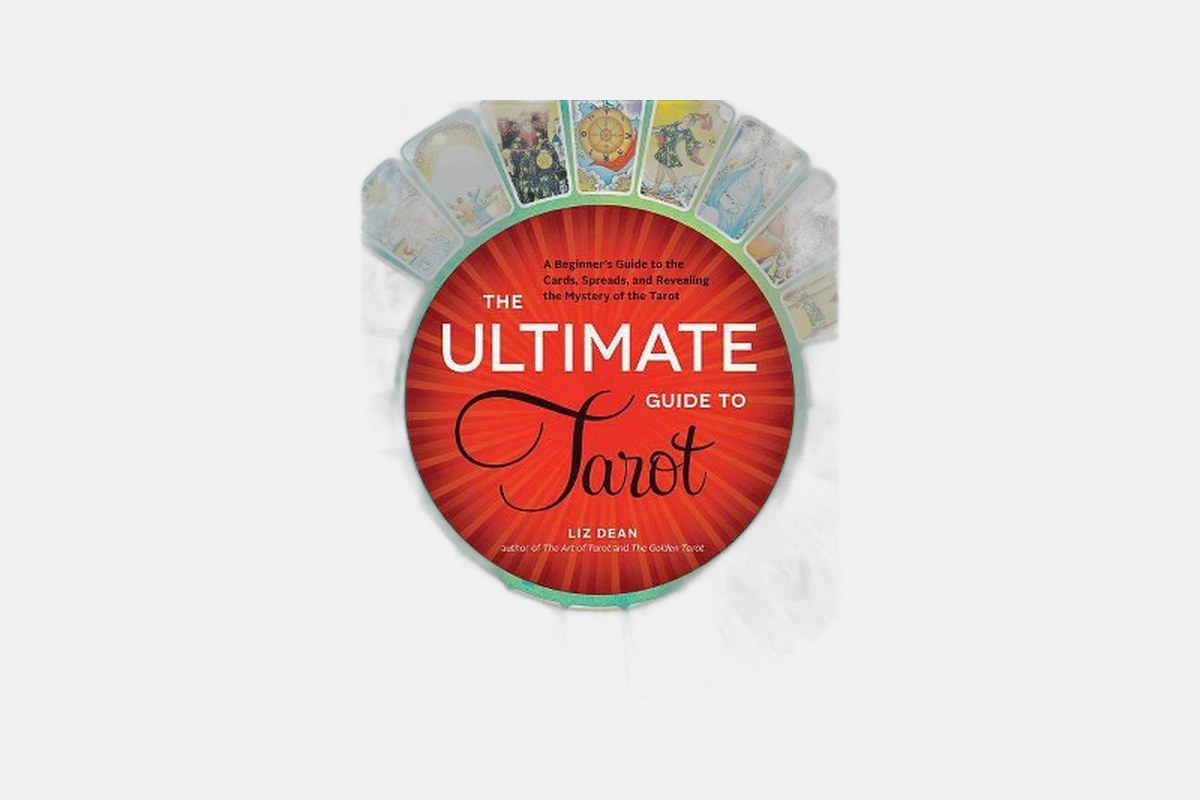
For $16.42, this guide is a fantastic all-in-one resource for someone who knows absolutely nothing. It covers the history, symbolism, and spreads in a way that’s easy to digest and not at all overwhelming.
It’s structured like a classic handbook, making it easy to look things up quickly. The full-color illustrations and clear instructions for different spreads make it a go-to for many new readers.
The Downside: The spiral-bound version can be a bit more expensive and some people find it doesn’t hold up as well over time.
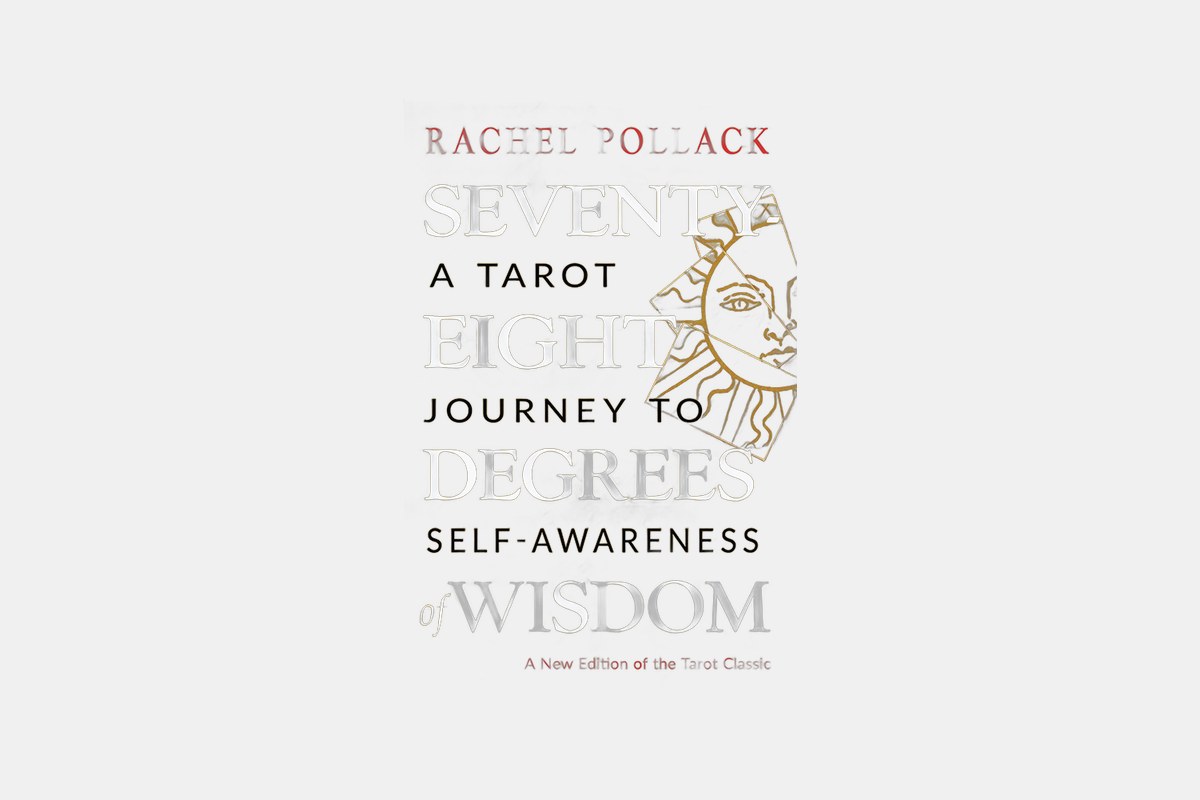
At $22.95, this book is often called the “Bible of Tarot” for a reason. If you’re the kind of person who wants to go deep into the psychology and mythology behind the cards, this is your book.
Rachel Pollack offers profound insights that go way beyond simple keywords. It’s a book that will grow with you; you’ll find new things in it years into your tarot journey. It connects tarot to psychology, mythology, and modern life beautifully.
The Downside: This is not a quick-start guide. It’s dense, academic, and requires a real commitment to read, so it can be a lot for a casual beginner.
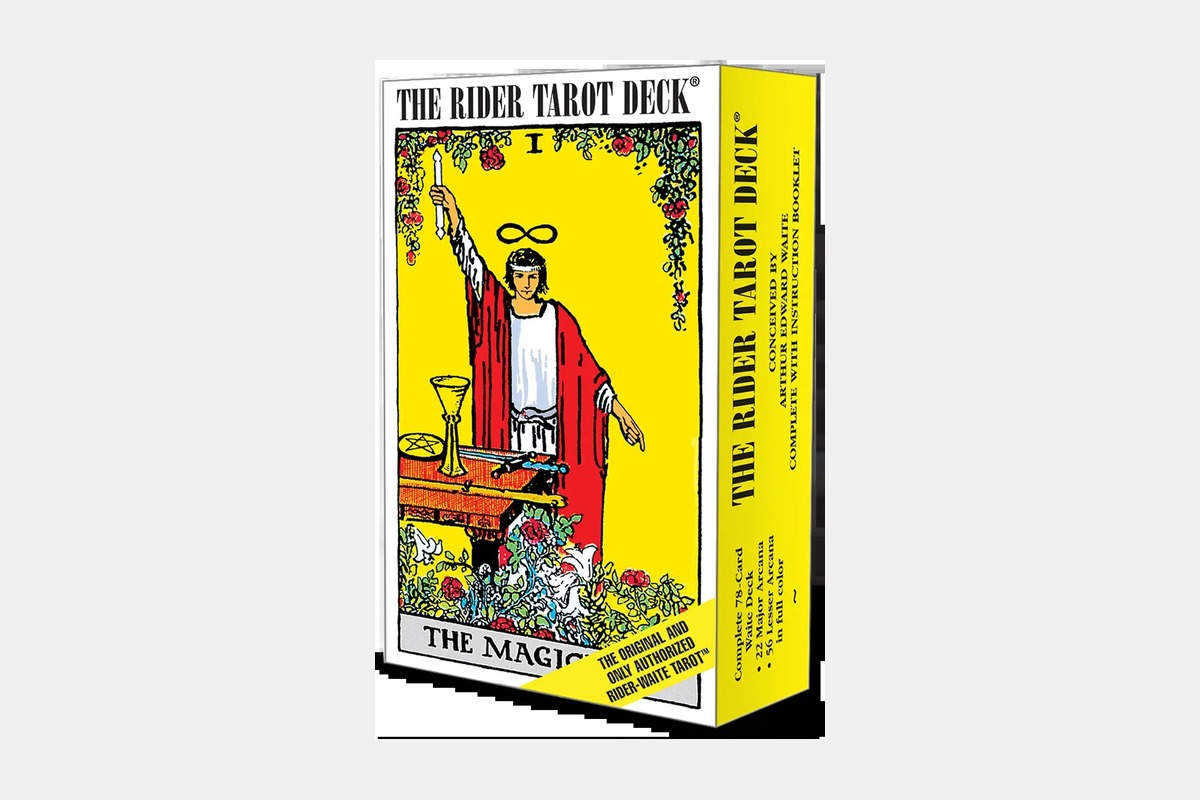
This classic deck costs $21.95 and is the one you see everywhere. It’s almost universally recommended as the best deck for beginners because its imagery is straightforward and packed with clear symbolism.
Nearly every tarot book, blog, or course uses the Rider-Waite deck as its point of reference, so learning with it makes the whole process much smoother. The detailed illustrations on every card (not just the Major Arcana) give you plenty to work with intuitively.
The Downside: The artwork was created over a century ago, so some people find it feels a bit dated or stuffy compared to more modern decks.
Priced at $17.99, this book is for anyone who feels intimidated by all the mystical, “woo-woo” stuff. It’s written in a super casual, friendly, and no-nonsense tone that feels like you’re just chatting with a friend.
Melissa Cynova cuts through the fluff and gets right to the point, helping you give practical, real-life readings without getting bogged down in complex symbolism. It’s designed to get you reading for yourself and others fast.
The Downside: Because it’s so focused on being approachable, it doesn’t offer the deep dive into history or mythology that other books do.
At the end of the day, there are no “tarot police.” You can’t really mess this up. The more you practice, the more confident you’ll become, and the more the cards will start to feel like old friends.
So grab your deck, take a deep breath, and ask a question. The answers are already inside you; the cards are just here to help you see them more clearly.
Top Chinese Zodiac Signs
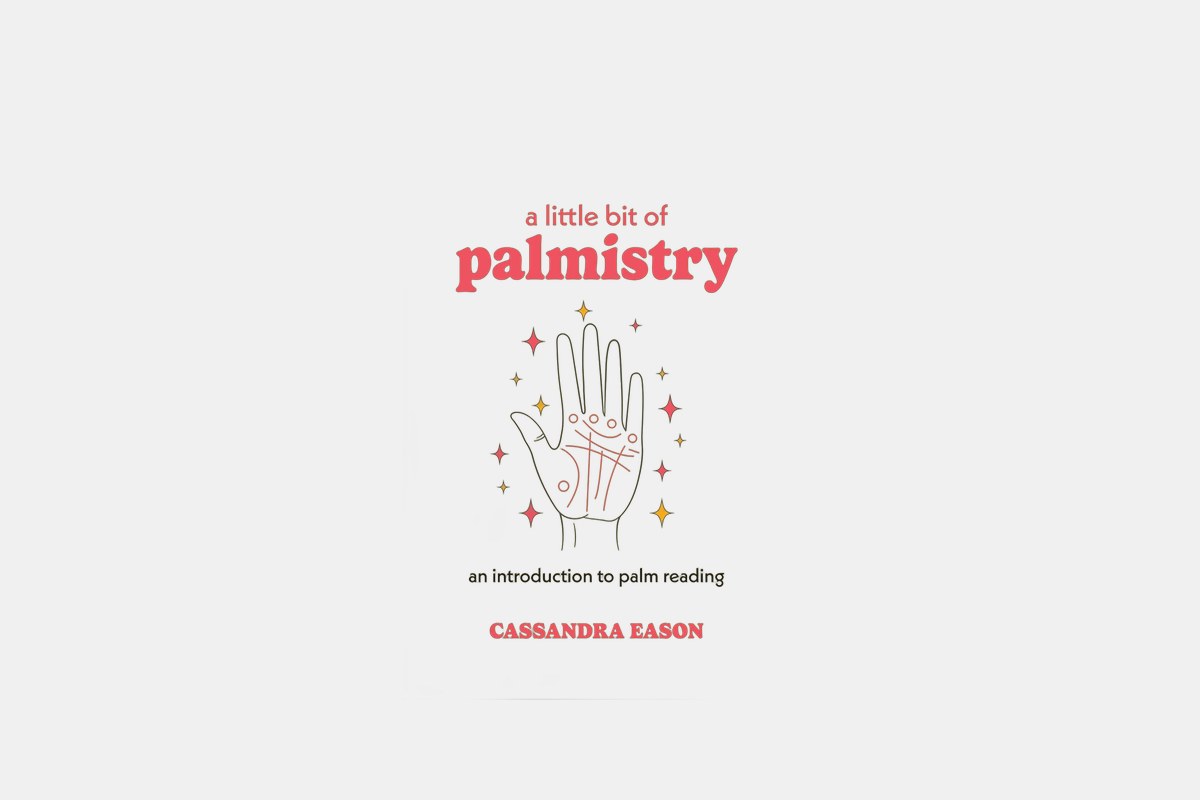
How to Read Palms for Beginners
Dive into the fascinating world of palmistry with this introductory course. Learn to interpret the major lines, mounts, and shapes of the hand to gain insights into personality and potential.
How To Use A Pendulum 101
Leave a Reply