Top Chinese Zodiac Signs
Top Chinese Zodiac Signs

So, you want to learn how to read tarot cards? Awesome. Everyone thinks it’s some mysterious, psychic gift you have to be born with, but I’ll let you in on a little secret: you can totally do this.
Honestly, it’s less about predicting the lottery numbers and more about checking in with yourself. Think of the cards as a deck of 78 really honest friends who give you advice by showing you pictures. It’s a tool for reflection and intuition.
Don’t worry — it’s way easier than it looks. Let’s get you started.
Okay, first things first. You need some cards. Walking into a shop or searching online can feel like a tidal wave of options. There are decks with cats, decks with aliens, decks that are super minimalist… it’s a lot.
My best advice? Start with a deck that’s based on the classic Rider-Waite-Smith (RWS) system. Most books, guides, and online tutorials use its imagery as a foundation, which will make your life a million times easier when you’re looking things up.
The most important thing is to pick a deck whose artwork you actually like. If you don’t connect with the images, you’re just not going to feel inspired to use it. Find something that makes you feel curious and excited.
To help you cut through the noise, I’ve pulled together a few of my favorite decks for anyone just starting out. You really can’t go wrong with any of these.
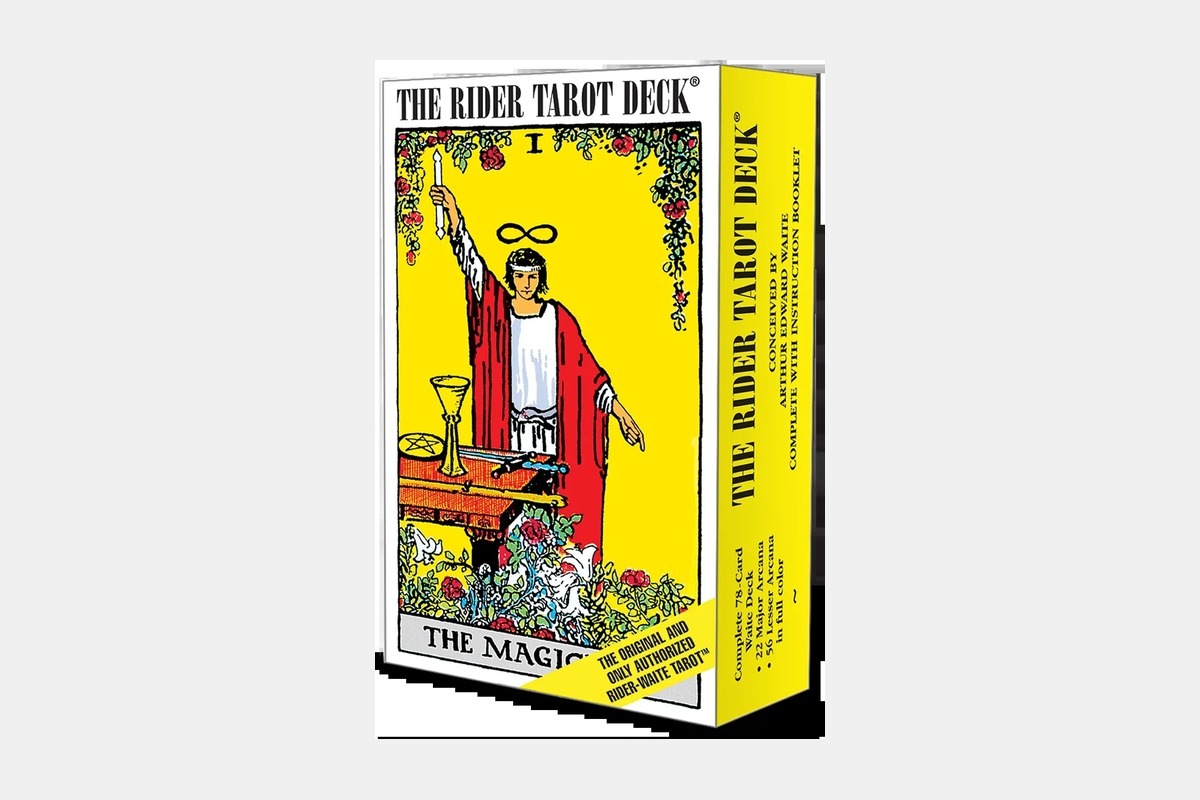
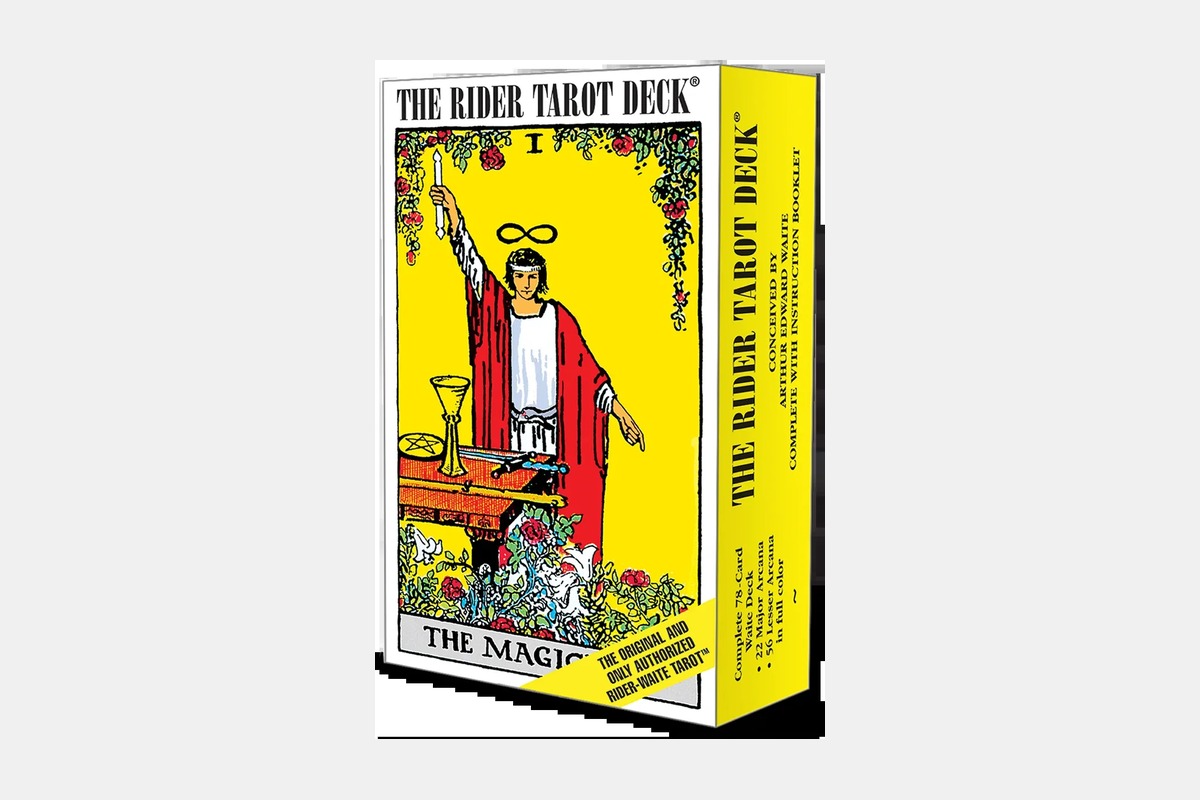
The Rider-Waite Tarot Deck costs $21.95. This is the OG, the deck you see in movies, and the one most tarot readers learn on for a reason.
It’s the foundational deck for modern tarot, and its symbolism is so clear and direct that learning the card meanings feels straightforward. Because it’s the standard, almost every tarot book or course references its imagery, so you’ll never be short on resources.
The deck comes with 78 fully illustrated cards, including all the Minor Arcana (which some old-school decks don’t have), and a little instruction booklet to get you going.
The Downside: The art was created over a century ago, so some people find the style a bit dated and lacking in diversity.
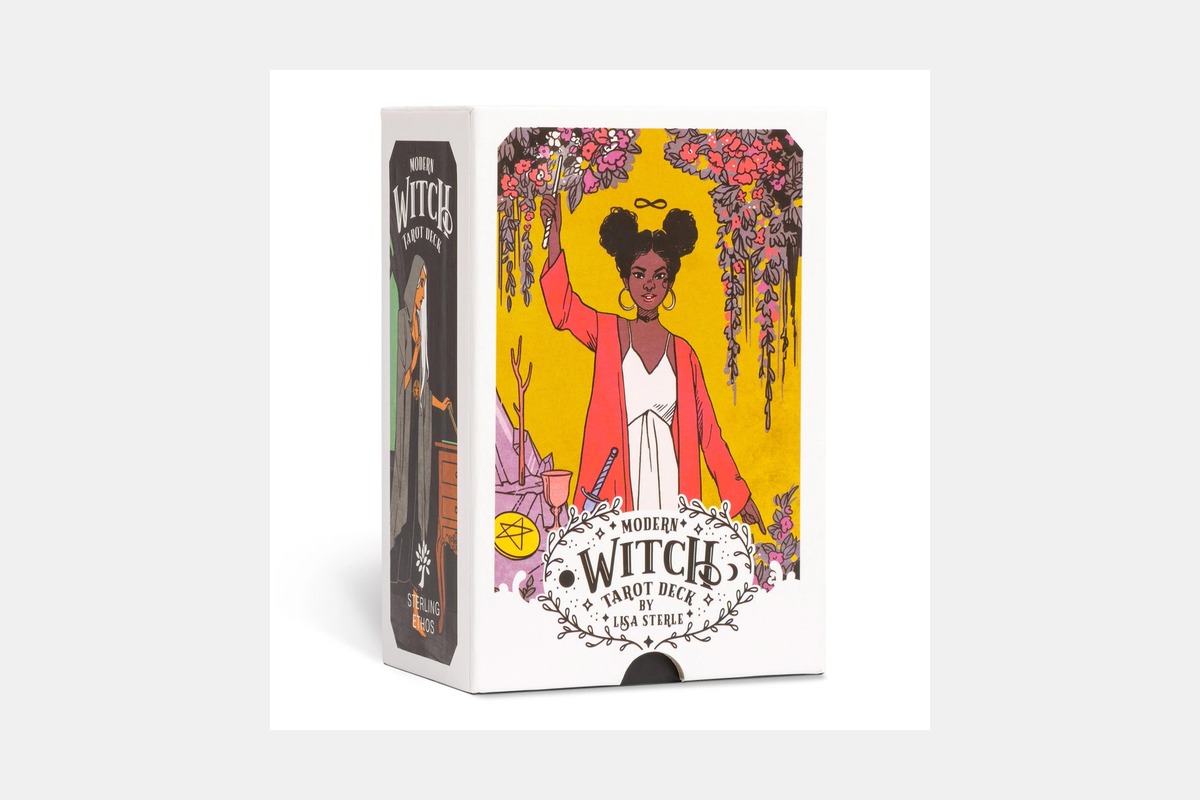
The Modern Witch Tarot Deck is priced at $26.99. If you love the classic RWS meanings but want a deck that looks like your world, this is it.
It takes the familiar scenes from the Rider-Waite deck and reimagines them with diverse, stylish, and modern characters. It’s vibrant, empowering, and just plain fun to look at, which really helps you stay engaged while you’re learning.
This one includes a hardcover guidebook, which is a nice step up from the little paper booklets, and sticks to the RWS system so all your study guides will still apply.
The Downside: If you’re a purist who wants a super traditional experience, the modern fashion and style might feel a little too contemporary.
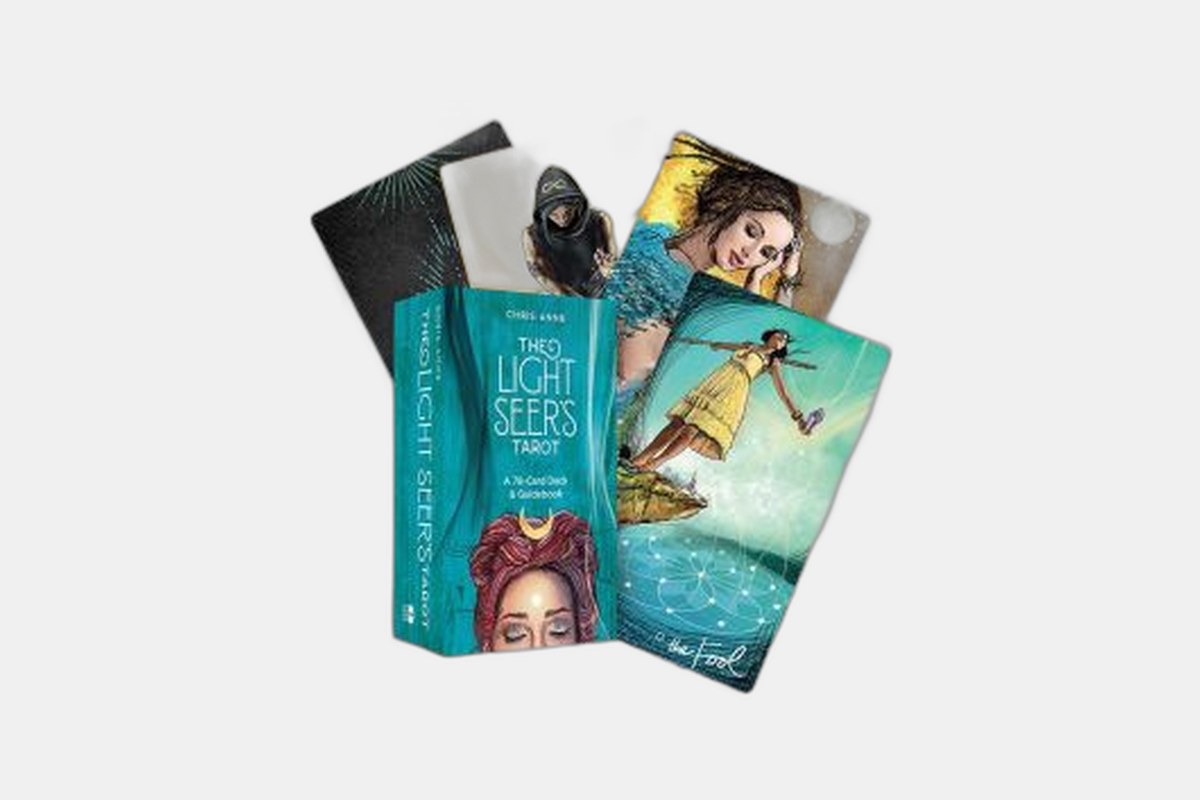
You can get The Light Seer’s Tarot for $24.99. This deck is a huge favorite online, and it’s perfect for beginners who want to lean into their intuition.
The artwork is gorgeous, with a dreamy, boho vibe that’s emotionally expressive. It’s designed to help you explore both the “light” and “shadow” sides of yourself, and the included guidebook is filled with healing, empowering messages instead of just rigid keywords.
It’s based on the RWS system but encourages you to find your own meanings in the rich imagery, making it great for creative and visual learners.
The Downside: The symbolism is a bit looser than the traditional Rider-Waite, which can sometimes confuse beginners who are trying to learn by the book.
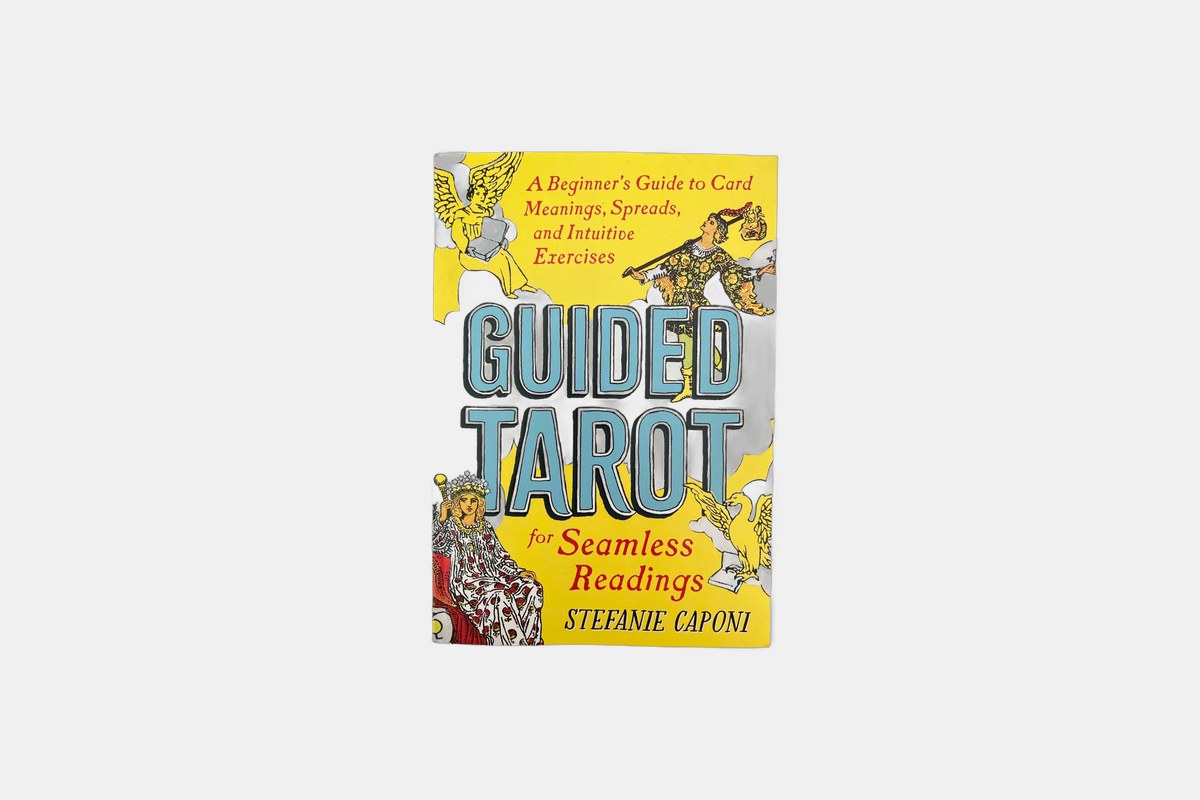
This fantastic guide costs $19.99. Okay, so this one isn’t a deck, but it’s the book I wish I had when I was starting out.
It breaks everything down in a way that’s super easy to understand, from card meanings to sample spreads and exercises to build your intuition. It’s like having a friendly teacher right there with you.
Reviewers love it because it’s practical and focuses on how to actually give a reading that flows, rather than just listing a bunch of memorized meanings.
The Downside: It’s just a book, so you’ll still need to buy a separate tarot deck to go with it.
Please don’t try to memorize all 78 cards at once. I’m serious. You will overwhelm yourself and quit before you even start. That’s the most common mistake I see people make.
Instead, just get comfortable with your deck. When it arrives, open it up and just look through every card. Don’t worry about the “official” meanings yet. Which images do you like? Which ones feel a little weird? What stories do you see?
Here’s a simple practice: Pull one card every morning. Ask it, “What energy should I focus on today?” Look at the picture, notice the colors and characters, and decide what it means to *you*. Then you can look it up in your guidebook. This is way more effective than flashcards.
This is the secret sauce to a good reading. The quality of your answers is directly tied to the quality of your questions.
Tarot is not a magic 8-ball. It struggles with simple “yes/no” questions. Asking “Will I get that promotion?” is going to give you a confusing answer. It just doesn’t work that way.
Instead, ask open-ended questions that invite advice. Try rephrasing it to something like, “What can I do to improve my chances of getting the promotion?” or “What obstacle is standing in my way at work?” See the difference? You’re asking for guidance, not a locked-in prediction.
Ready to do a real reading? Let’s go! We’ll use the most trusted, easy-to-learn spread there is. It tells a clear story and is perfect for beginners.
First, get comfy and take a few deep breaths. Think about your open-ended question. Shuffle the cards in whatever way feels right while you focus on that question. Cut the deck, put it back together, and let’s pull three cards.
Lay them out in a row, from left to right.
This is the classic for a reason. It’s simple, direct, and gives you a narrative.
Card 1 (Left): The Past. This card represents the background of the situation. It’s the foundation of your question, showing the events or energies that led you to where you are now.
Card 2 (Middle): The Present. This is what’s happening right now. It highlights the current state of things, the main challenge, or the central theme you’re dealing with.
Card 3 (Right): The Future. This card shows the likely outcome or the direction things are heading if you stay on your current path. It’s not set in stone! It’s advice about what could be.
Now, look at all three cards together. How does the story flow from one card to the next? Does the energy change? Reading the story *between* the cards is where your intuition really comes alive.
See? Not so intimidating after all. Reading tarot is a skill you build over time, just like learning an instrument. The more you practice, the more confident you’ll become.
Don’t ever worry about getting a reading “wrong.” Your interpretation is the right one for you in that moment. The cards are just a beautiful tool to help you hear that wise, quiet voice you already have inside.
Now go have fun with it. Be curious, be open, and trust yourself.
Top Chinese Zodiac Signs
How to Read Palms for Beginners
A Beginner's Guide to Reading Tarot
Dive into the fascinating world of palmistry with this introductory course. Learn to interpret the major lines, mounts, and shapes of the hand to gain insights into personality and potential.