Top Chinese Zodiac Signs
Top Chinese Zodiac Signs

Ever look down at your hands and wonder what all those little lines are about? Palm reading, or palmistry, sounds super mystical, but it’s really just a fun way to learn more about yourself and others. It’s like a personality quiz etched right into your skin.
Don’t worry — it’s way easier than it looks. You don’t need a crystal ball or a velvet-draped room to get started. All you need are your own two hands and a little curiosity.
This beginner palm reading guide will walk you through the absolute basics. We’ll look at the main lines, the shape of your hand, and what it all might mean. Ready? Let’s dive in.
First things first, which hand do you read? The answer is both! But they tell you different things, so it’s good to know the difference.
Your non-dominant hand (the one you don’t write with) shows the personality and potential you were born with. Think of it as your factory settings. Your dominant hand, on the other hand, shows what you’ve done with that potential — the choices you’ve made and the path you’re currently on.
For a beginner palm reading, I’d say start with the dominant hand. It tells the story of your life right now, which is usually what people are most curious about.
Okay, this is the main event. Most palms have three or four big, obvious lines. These are your starting point for any reading. Don’t sweat the tiny little lines just yet; we’re focusing on the big picture.
The heart line is the topmost major line, usually running from the edge of your palm under your pinky finger toward your index finger. As you probably guessed, this one is all about love and emotions.
A long, deep, curvy heart line often points to someone who is warm and expresses their feelings easily. If it’s straight and short, you might be more reserved. Breaks or chains in the line can suggest a few heartaches or a more complicated emotional journey. No judgment here!
Just below the heart line is the head line. This bad boy reveals your intellect, your communication style, and how you approach problems. It usually starts between your thumb and index finger and cuts across the middle of your palm.
Is it long and straight? You might be a logical, analytical thinker. If it’s short, you may rely more on instinct. A wavy head line can mean you’re a creative, out-of-the-box thinker who gets bored with routine.
Let’s clear this up right now: the life line does NOT predict how long you will live. Seriously. I can’t say that enough. It’s probably the biggest myth in palmistry.
This line is the big one that curves around the base of your thumb. It actually tells you about your vitality, your physical health, and major life changes. A strong, sweeping curve suggests a person full of energy and enthusiasm. A line that hugs closer to the thumb might indicate someone who needs to be mindful of their energy levels.
This one’s the wild card because not everyone has it. The fate line is the vertical line that runs up the center of the palm, from the wrist toward the middle finger. It speaks to how much of your life is influenced by external events and other people.
A deep, clear fate line can mean you have a strong sense of purpose or a well-defined career path. If your fate line is faint, broken, or completely missing, it doesn’t mean you’re doomed! It just means you’re the master of your own destiny, forging your own path without a set script.
Once you’ve got the lines down, take a quick look at the overall shape of the hand. You can group them into four elemental types, which adds another fun layer to your reading.
Earth Hands: A square palm with short fingers. These folks are practical, reliable, and down-to-earth.
Air Hands: A square palm with long fingers. These people are witty, intellectual, and excellent communicators, but can get restless.
Fire Hands: A long, rectangular palm with short fingers. You’re looking at a passionate, energetic, and natural-born leader.
Water Hands: A long, rectangular palm with long fingers. These are the creative, intuitive, and sensitive souls.
Feeling hooked? Reading a book is the best way to go from “what’s this squiggly line?” to confidently reading for your friends. Here are a few I always recommend.
This book costs $15.99. It’s perfect for absolute beginners who want to get a solid foundation in palmistry without any confusing jargon.
Reviewers love how straightforward and detailed it is. It covers everything from hand shapes to the major and minor lines, and even includes sample readings so you can see how it all comes together. The clear diagrams are a huge help when you’re just starting out.
The Downside: It covers a lot of ground, so you’ll need to be ready to memorize quite a few details if you want to give full, in-depth readings.
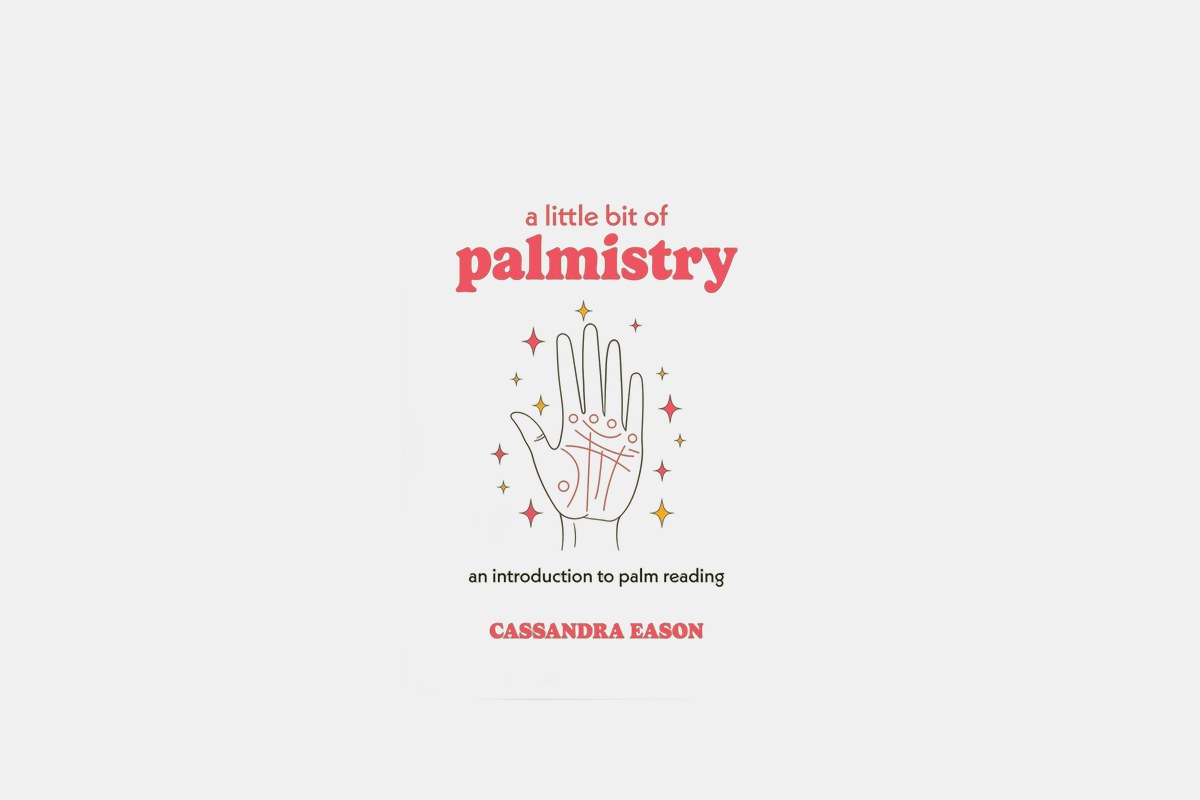
For just $9.99, this little hardcover is a steal. If you want to jump right in and learn the basics fast, this is the book for you.
It’s super concise and portable, making it the perfect pocket guide for pulling out at parties (with permission, of course!). It focuses on the most important lines—heart, head, life, and fate—so you can start reading palms almost immediately.
The Downside: Because it’s a quick introduction, it doesn’t go into much depth on more advanced topics or the dozens of minor lines.
At $39.99, this one’s more of an experience. It’s fantastic for visual, hands-on learners or for a fun activity with friends.
This isn’t just a book; it’s an interactive kit! It comes with an ink pad, a roller, and worksheets so you can make prints of your own palm. Analyzing a print is way easier than trying to read your own hand upside down. It’s a really cool way to see your lines clearly.
The Downside: Some reviewers mentioned the ink tools can produce faint prints, which might make them a little hard to draw on and annotate.
This guide costs $21.99 and it really lives up to its name. It’s a fantastic reference book for beginners who think they might get serious about palmistry.
With 400 pages and tons of illustrations, it covers everything from lines and mounts to fingers and even health indicators. It’s hailed by readers as being incredibly detailed while still feeling totally approachable for someone new to the practice.
The Downside: It’s a thick, heavy book. You won’t be casually tossing this one in your bag for readings on the go.
See? That wasn’t so scary. You now know the difference between the head and heart line, and you can spot a Fire hand from across the room. You have the basic building blocks for your very first beginner palm reading.
Remember, palmistry is a tool for insight and self-reflection, not a rigid set of rules that seal your fate. The best way to learn is to practice. Look at your friends’ hands, your family’s hands, and your own. The more palms you see, the more the stories in them will start to make sense.
Have fun with it. Your story is right there waiting for you to read it.
Top Chinese Zodiac Signs
How to Read Palms for Beginners
A Beginner's Guide to Reading Tarot
How To Use A Pendulum 101