Best Body Wash For Skin
Best Body Wash For Skin
Let’s be real. There’s nothing that kills a cute sandal moment faster than cracked, callused heels. I’ve spent years—and a small fortune—testing every foot file, peel, and goopy gel out there to find what actually works. My feet have been through it all: scraped, soaked, and slathered in the name of silky-smooth soles.
Some callus removal products are pure magic, transforming my feet from tragic to pedicure-perfect overnight. Others? A complete waste of time and money. So I’m spilling all the tea on the absolute best callus removers of 2026 that will get your feet ready for their close-up.
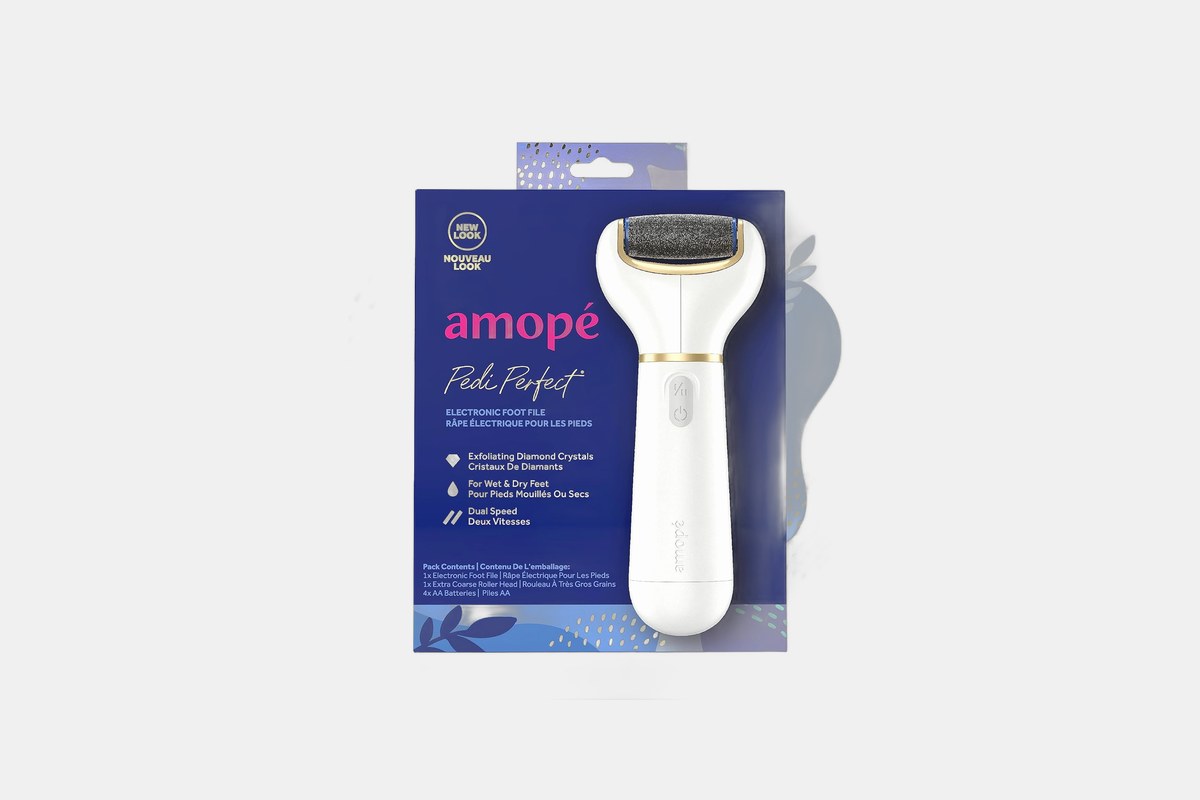
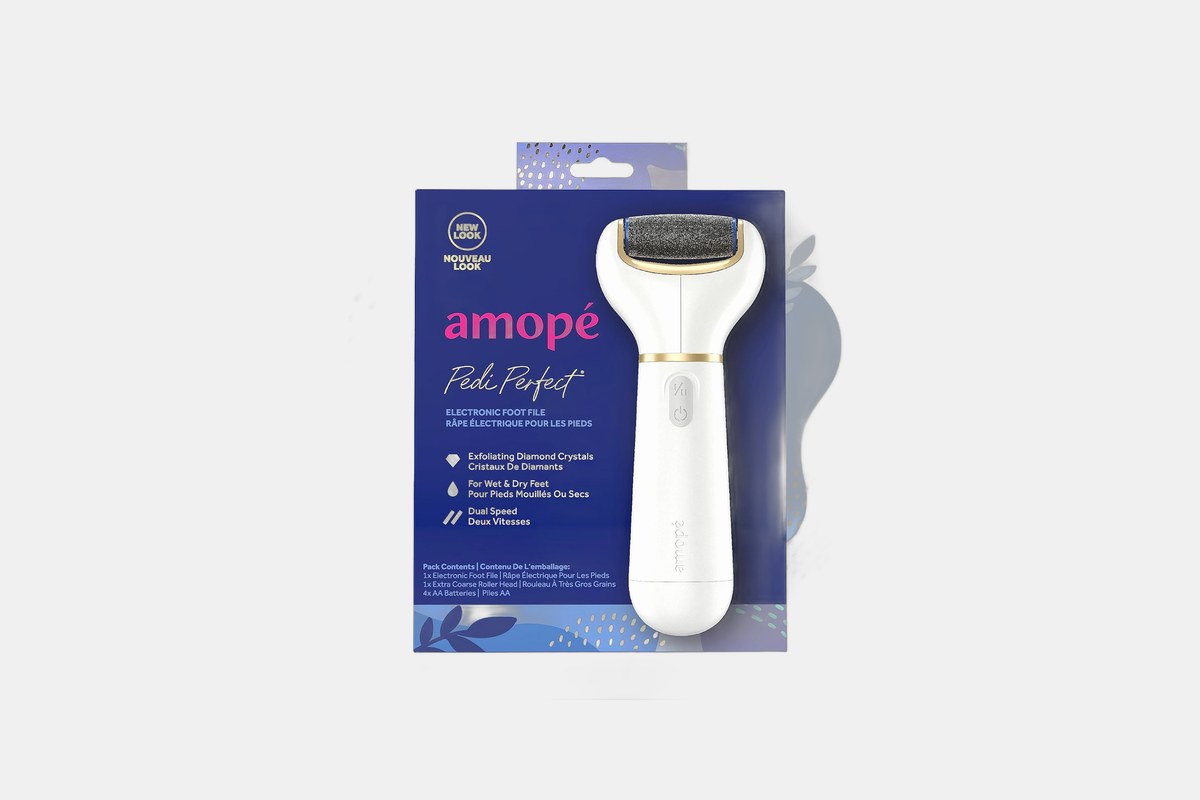
For just $35, you can basically bring the salon home. Seriously, this thing is a beast. I was shocked at how quickly it buzzed away the thick, stubborn callus on my heel in literally one session. It just turns it into dust.
The roller is covered in crushed diamond crystals (so fancy!) and spins fast to buff away dead skin without you having to do any of the hard work. And you don’t have to worry about going too far—if you press too hard, it automatically stops. It’s foolproof for getting super smooth feet fast.
The Downside: The rollers do wear out, so you’ll have to buy replacements eventually. But it’s a small price to pay for feet this soft.
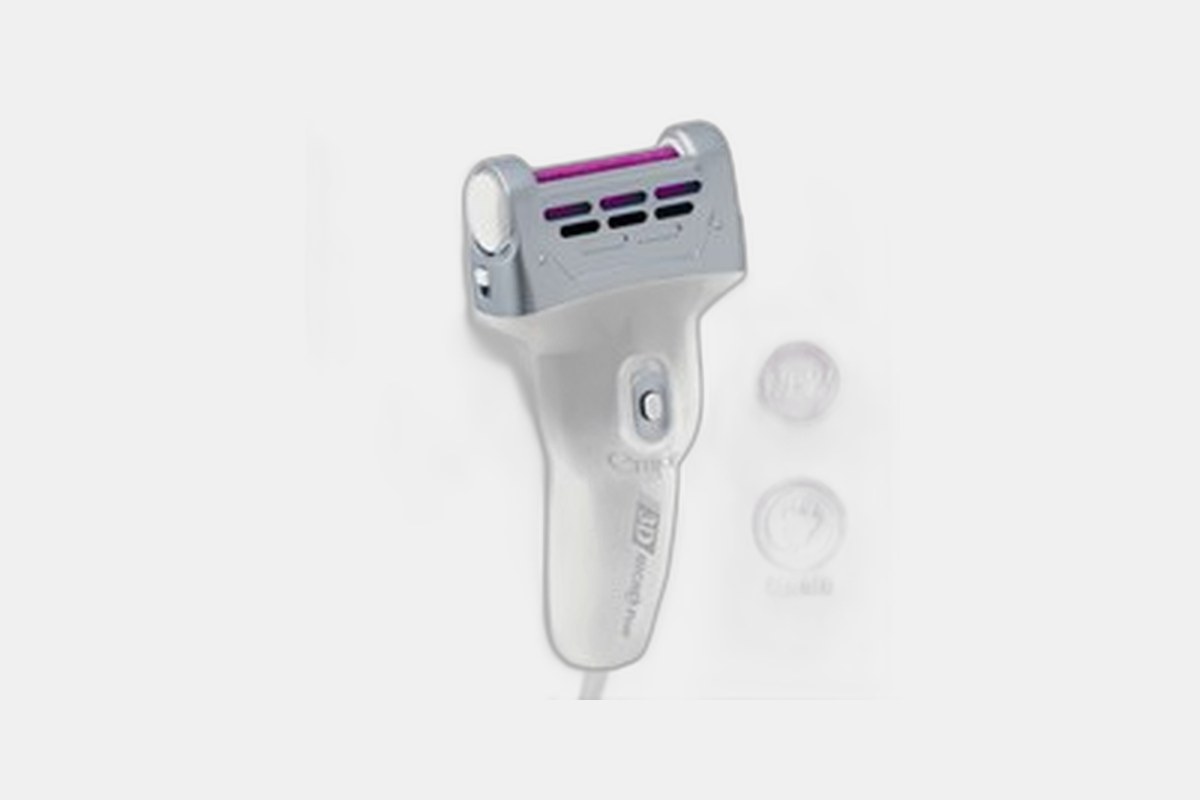
This $35 tool is my secret weapon after a long run. It’s specifically designed for the tough skin that athletes and active people get. The pumice roller spins 30 times a second, which sounds intense, but it feels surprisingly gentle as it erases roughness.
It’s small, rechargeable, and super easy to toss in a gym bag or suitcase. If manual files just aren’t cutting it for you anymore, this is the upgrade your tired feet deserve.
The Downside: It’s so powerful that it takes a minute to get the hang of controlling it. Start with a light touch!
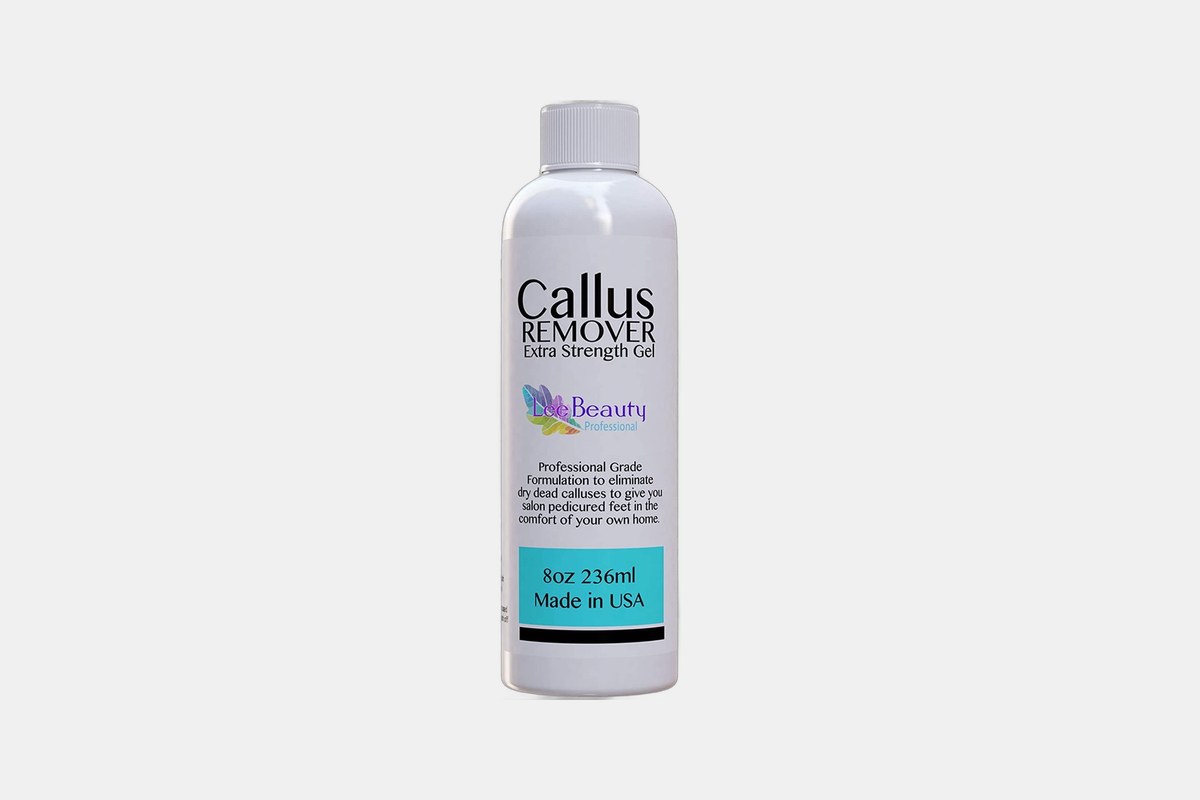
At $15, this stuff is no joke. If you have calluses so thick they have their own zip code, you need this extra-strength gel. You apply it, wait maybe five minutes, and then scrape—and the amount of dead skin that comes off is both horrifying and deeply satisfying.
It’s a professional-grade formula, which means it works incredibly well but you *have* to follow the directions. Wear gloves, don’t leave it on too long, and prepare to be amazed by the baby-soft skin underneath.
The Downside: The high-concentration formula can easily irritate your skin or cause over-exfoliation if you leave it on for more than 10 minutes.
This foot cream is only $12 and it’s a cult favorite for a reason. It’s not a dramatic, instant-gratification product. Instead, it’s a daily treatment that works its magic while you sleep.
I slathered this on every night for a week, and the 12% lactic acid gently melted away all the dry patches and softened my calluses without any scrubbing. It feels rich but sinks in fast, so no greasy sock situation. It’s perfect for maintenance.
The Downside: If you have seriously thick, stubborn calluses, this will take a few weeks to make a big difference.
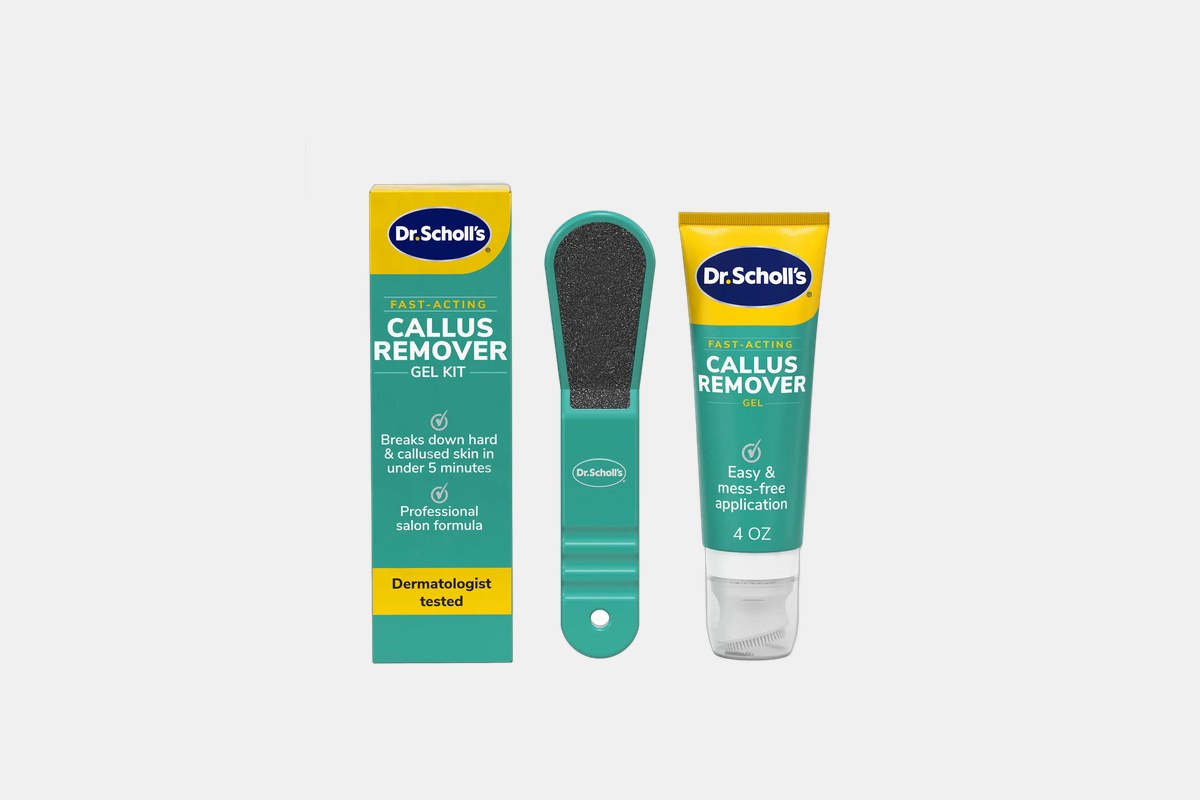
For $10, you get a complete kit that’s perfect for a weekly foot care ritual. The gel uses a blend of acids to break down hardened skin in under five minutes. Just paint it on with the no-touch brush and let it do its thing.
After a few minutes, you use the included file to buff away the softened skin. It’s way less work than filing dry feet and gives you a much smoother result. It’s a great little at-home pedi system.
The Downside: The gel can be a little runny, so be careful to apply it only where you need it.
Okay, $39 is a bit of a splurge for a foot gel, but hear me out. This stuff feels so luxurious. It has a unique gel-oil texture that absorbs in seconds, so you can walk around barefoot right after applying it without leaving slimy footprints everywhere.
It uses urea and lactic acid to both exfoliate and deeply hydrate, which is key for getting rid of those painful heel cracks. After two weeks of using it twice a day, my heels looked and felt like I’d just had a professional pedicure.
The Downside: It’s definitely a slow burn. You won’t see dramatic results overnight like you would with an electric file.
This iconic $25 foot peel is famous for a reason. You wear the acid-filled plastic booties for an hour, wash it off, and then wait. Nothing happens for a few days, and you’ll think it didn’t work. And then… the peel begins.
Your feet will shed skin in massive sheets for about a week. It’s disgusting and you’ll want to wear socks 24/7, but the skin that’s revealed underneath is legit as soft as a baby’s. It’s a total foot reset.
The Downside: The peeling process is messy and can last for over a week, so plan accordingly (i.e., don’t do it the week before a beach vacation).
At just $7, these little patches are lifesavers. They’re perfect for targeting one specific, painful callus, like the kind you get from wearing a new pair of heels. Each patch has a medicated dot with salicylic acid to break down the hard skin.
The best part is the cushioning gel that protects the spot from pressure and friction, so you can keep wearing your shoes without the pain. They’re water-resistant and stay put all day long. I wore one for two days straight and the callus just peeled right off.
The Downside: These are tiny! They only work for small, specific spots, not for overall heel roughness.
Think of this $19 treatment as the bougie cousin to Baby Foot. It’s a similar concept—you soak your feet in booties filled with a blend of AHAs and BHAs—but it feels a little more like a spa experience.
You pour the activating essence into the socks yourself, which I kinda loved. The peeling starts a few days later and leaves your feet feeling unbelievably renewed and soft. It’s perfect for getting your feet in pristine condition before a special event.
The Downside: Like other peels, the shedding phase can be intense and last up to three weeks for some people.
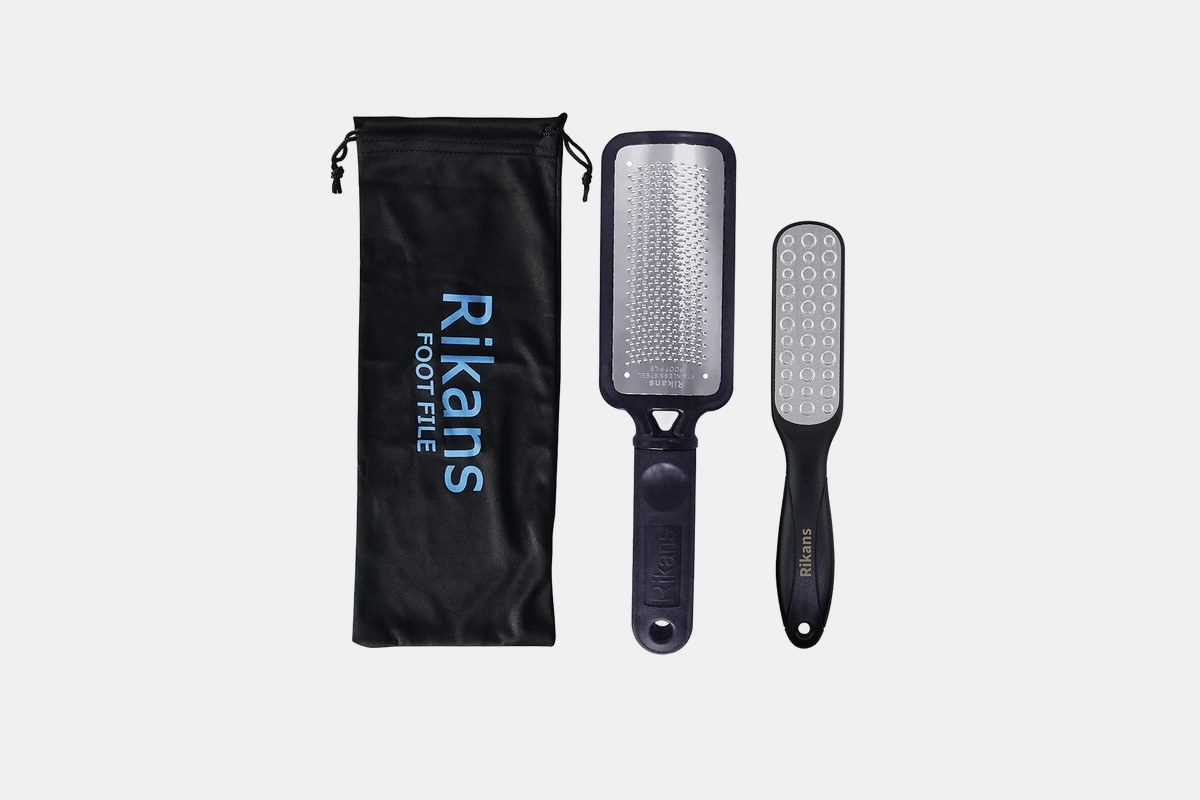
This $15 foot file is not for the faint of heart. It looks like a cheese grater, and honestly, it works like one… for your dead skin. After soaking my feet, a few swipes with this thing literally shaved off layers of callused skin. It’s incredibly effective.
The handle is super sturdy and gives you great leverage. For thick, tough calluses that other tools can’t touch, this is your answer. Just be gentle and use it on wet skin only.
The Downside: It creates a snowstorm of dead skin flakes (gross, I know) and you have to be careful not to file too aggressively and cut yourself.
For $10, you get a classic for a reason. This pumice stone is made from pure volcanic lava and it’s the perfect tool for gentle, daily maintenance in the shower. It has a great grip and feels satisfyingly gritty against your soles.
I keep mine hanging in the shower and use it for a minute every day after washing my feet. It keeps my heels smooth and prevents calluses from building up in the first place. It’s simple, natural, and it works.
The Downside: It can feel a little too rough if you have very sensitive skin, and it requires consistent use to see results.
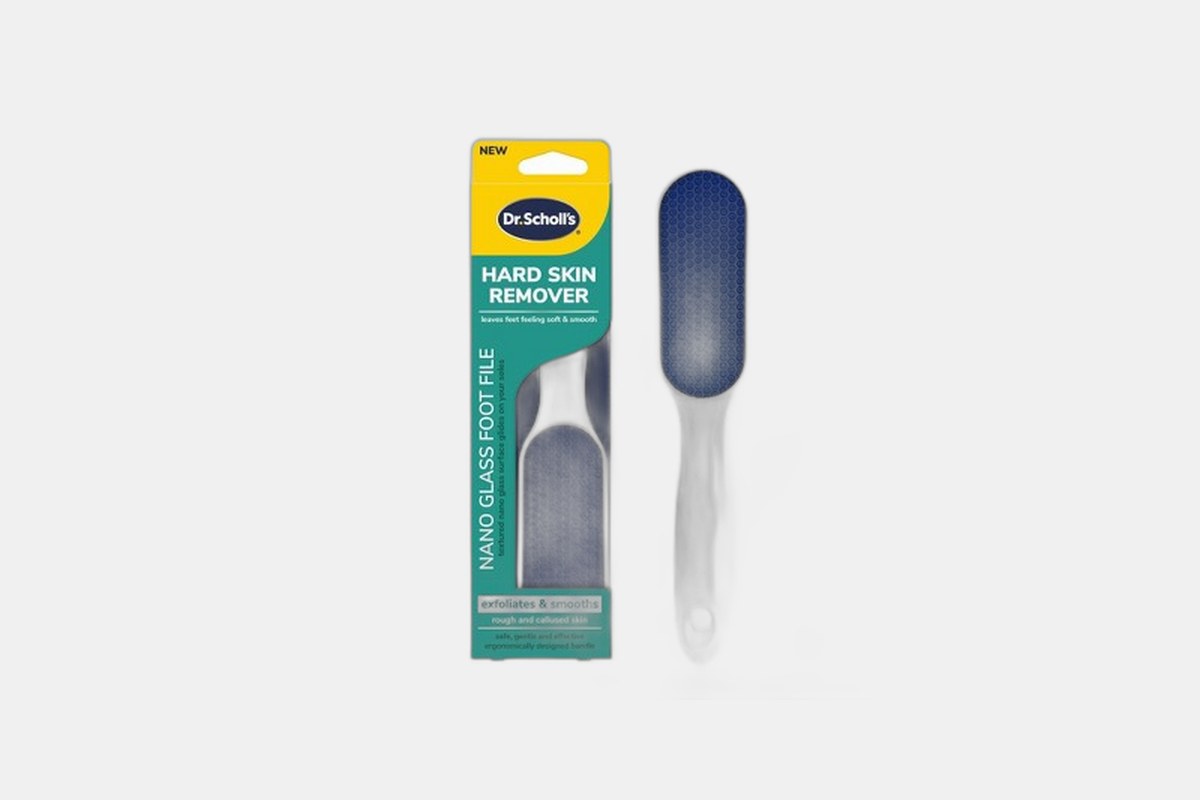
This little $8 tool is the modern, much gentler version of a metal foot file. The surface is made from nano glass, which has this super fine texture that buffs away dead skin without feeling sharp or scary.
The long handle makes it easy to reach every part of your foot, and you can file in any direction. It’s amazing for smoothing out texture and getting into smaller areas around the toes. I was really impressed by how soft my feet felt after using it.
The Downside: It’s all manual labor, so it takes more time and effort than an electric file to tackle really thick calluses.
Okay, so how do you pick The One? It really depends on your needs and, let’s be honest, your patience level. Think about what you’re trying to achieve.
If you want instant results for super thick calluses, an electric file like the Amope or Emjoi is your best friend. For a total skin reset where you don’t have to do any scrubbing, a foot peel from Baby Foot or Patchology is the way to go, as long as you can handle the shedding phase.
For a less intense, more gradual approach, a gel or cream with lactic or salicylic acid will soften skin over time. And if you like the control and satisfaction of doing it yourself, a manual tool like a classic pumice stone or a modern glass file is perfect for in-shower maintenance.
Best Body Wash For Skin
How To Get Rid of Cellulite: 13 Tips from Dermatologists
13 Best Soaps
Tattoo Aftercare 101: How to Take Care of Your New Ink
Leave a Reply